In the past, choosing a chair was a very simple affair for me. As long as I could sit on it, it was stable, and the price was right, that was enough.
However, I gradually began to notice a problem: the chair you sit in actually has a far greater impact on your daily well-being than I had previously imagined.
This became especially apparent after long hours of work; the fatigue in my lower back, the tension in my shoulders, and the constant interruptions to my focus would accumulate little by little. Eventually, this affected not just my physical body, but the entire rhythm of my workday. It was at that point that I began seriously browsing the products on the Herman Miller Hong Kong website—and slowly came to understand why this brand is so frequently cited and acclaimed.
For this review, I focused on four specific chairs, each representing a distinct and unique sitting experience.
1.The Zeph Multipurpose Chair: The First Time I Felt That “A Chair Can Be This Effortless”
My first impression of the Zeph Chair was one of “lightness.” I don’t mean it was physically light in weight, but rather that it felt “light” in both its visual aesthetic and its user experience.
Its design is remarkably minimalist, devoid of complex mechanisms; yet, the moment you sit down, you can distinctly feel that the support it provides is complete and comprehensive. It wasn’t until I later read the product description on the Herman Miller Hong Kong site that I noticed a key detail: it utilizes a “kinematic monoshell” structure.
To be honest, I didn’t fully grasp the terminology at first. However, after experiencing it firsthand, I understood its true significance: instead of requiring you to manually “adjust the chair,” it automatically adapts to your specific sitting posture.
Its key features left a lasting impression on me:
- An armless design that creates a greater sense of spatial freedom.
- A single, continuous structure that provides integrated support.
- Versatility to suit various settings (offices, dining areas, or casual lounge spaces).
Over time, I even began to feel that it doesn’t resemble a traditional office chair at all; rather, it feels more like a piece of “modern furniture” that is ready to be sat upon at any moment. This is especially true when using it at home, where its presence feels entirely unobtrusive and never visually overbearing.
2.The Verus Chair (TriFlex Back): Beginning to Understand the Importance of “Stable Support”
If the Zeph Chair represents an “effortless” style, then the Verus Chair leans more toward a “functionally stable” approach.
When I first came across it on the Herman Miller Hong Kong website, what immediately caught my eye was its specific design for lumbar and sacral support. In the past, I had always assumed that “comfort” simply meant a softer seating surface; however, the Verus Chair made me realize—for the very first time—that true supportive comfort is actually about “keeping the body aligned in a correct and healthy posture.”
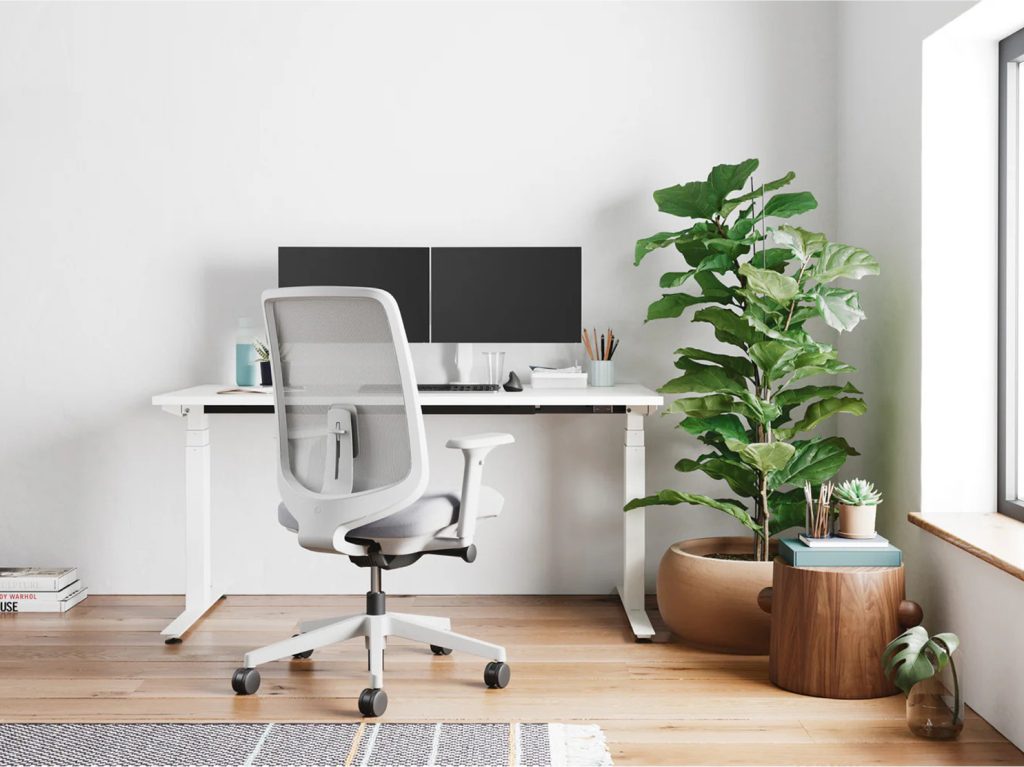
When you sit down, it doesn’t allow you to sink deep into the seat; instead, it naturally guides your back into a more stable and properly aligned position. My impression of it is this:
- The lumbar support is distinct and precise.
- It prevents you from slouching easily.
- Sitting for extended periods doesn’t result in noticeable fatigue.
Especially during long hours of computer work, this sense of “stability” is far more important than mere softness. It may not look like a chair with an overtly flashy design, but it belongs to that category of products you come to rely on more and more the longer you use them.
3.Sayl Chair: The first time I realized “breathability” could actually impact focus
Among these four Herman Miller models, the Sayl Chair possesses the strongest sense of design. When I first laid eyes on it, my mind immediately jumped to “bridge structures,” as its backrest indeed possesses a striking visual tension.
However, what truly left a lasting impression on me wasn’t its appearance, but its breathability. The backrest features an elastic mesh structure; once seated, you don’t feel any oppressive pressure against your back—instead, you experience a sensation of being “gently cradled, yet never stifled.”
It wasn’t until I later revisited its product description on the Herman Miller website that I fully grasped the inspiration behind its design: the structural principles of suspension bridges.
Based on my actual experience, I’ve identified several distinct characteristics:
- The backrest offers exceptional breathability.
- The seating posture feels flexible, yet never loose or unstable.
- It remains cool and comfortable, even during prolonged use.
Especially during the summer months, this kind of “airy support” is truly invaluable. Rather than making you feel constantly enveloped or trapped by the chair, it maintains a state of relaxed, effortless support.
4.Eames Molded Plywood LCW: The first time I viewed a “chair as an integral part of the space”
The Eames LCW is, without a doubt, the most unique of these four Herman Miller models. Strictly speaking, it isn’t merely an office chair; it functions more as a piece of “designer furniture.”
When I first came across its description on the Herman Miller Hong Kong website, what captivated me most was its historical context. It isn’t a modern office chair, but rather a classic design masterpiece—a piece that carries with it a profound sense of history and timelessness.
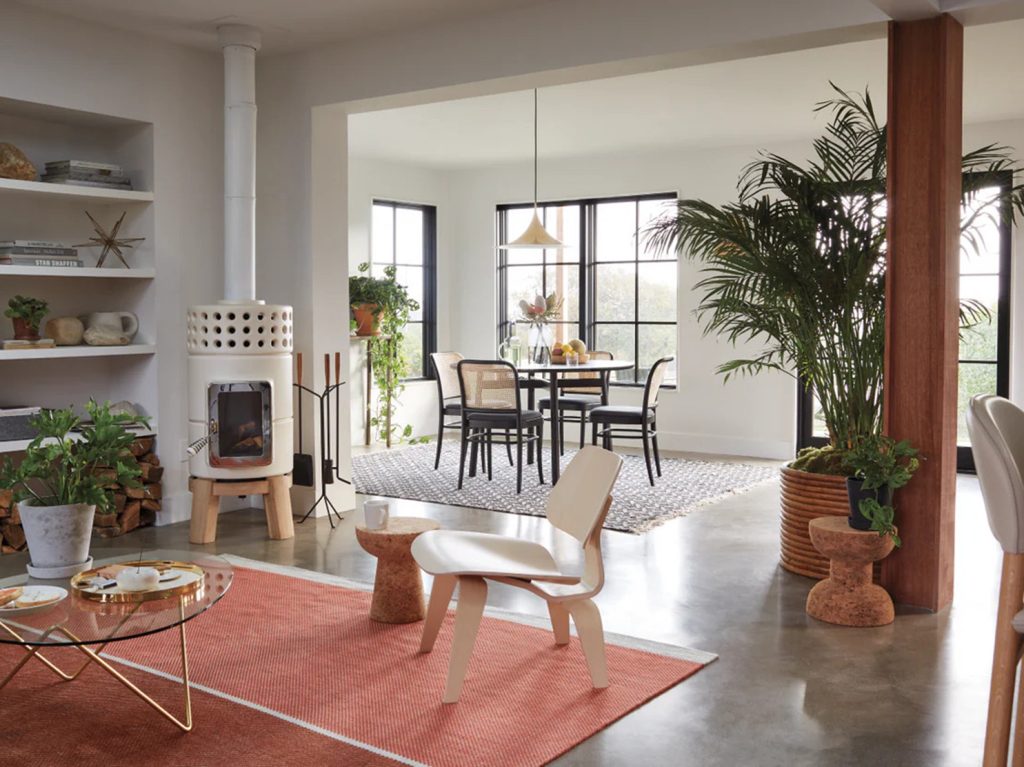
The sensation of sitting in it is also completely different from the previous three models: it wasn’t designed to facilitate long hours of office work, but rather to invite you to “sit down and simply relax.”
Its defining characteristics are unmistakable:
- It features a molded plywood structure that exudes exceptional design flair.
- It has a relatively low seating profile, lending it a more casual, lounge-like feel.
- Its contours naturally embrace and conform to the shape of the human body.
- It is ideally suited for activities such as reading, resting, or quiet contemplation.
Over time, I’ve even come to view it less as a purely functional piece of furniture, and more as a “visual focal point” within the space it inhabits.
I’ve come to realize that a chair actually dictates your daily state of being
After examining these four Herman Miller models, the most significant shift in my perspective wasn’t about deciding “which chair is best,” but rather about beginning to redefine the very significance of a chair itself.
Some chairs are designed for focused work; others provide stable, sustained support over long periods; some are suited for a relaxed atmosphere; and still others serve as an integral part of the space they inhabit. These subtle distinctions, however, can only be truly appreciated after you have spent a substantial amount of time actually using them.
Now, when I look at Herman Miller’s products, I see things with greater clarity: they aren’t merely creating “chair categories,” but rather crafting “solutions for different states of living.”
For what truly impacts the quality of your life is never the chair itself, but rather the state of mind you inhabit while sitting in it each day.