In the fast-paced world of digital devices in 2026 choosing a TV, smartphone, headphone, or tablet can feel overwhelming—especially when you’re bombarded with a wall of specs. From SoC, PPI, HDR10+ to ANC, LDAC, and 144Hz refresh rate… what do all these fancy terms actually mean? Do they really impact your experience? Which ones are genuine improvements, and which are just marketing fluff? I will sort out for you the common key parameters and terms in major mainstream product categories, and explain them in sections by category, from screen to audio, from chips to systems, to help you achieve the goal of “understanding parameters in seconds and avoiding pitfalls accurately”.
1. Display Specs: More Than Just Resolution
Almost every electronic product has a screen—phones, tablets, TVs, monitors, and laptops. The quality of the screen directly affects clarity, fluidity, realism, and even the price.
1.1 Resolution
- Definition: The total number of pixels on a screen, usually expressed as “width × height.”
- 2025 Mainstream Resolutions:
- Smartphones: FHD+ (2400×1080), QHD+ (3200×1440), 2K/4K
- TVs: 4K (3840×2160), 8K (7680×4320)
- Tablets/Laptops: Commonly around 2.5K–3K
- Tip: 4K is sufficient for most users. 8K is still limited in content and not essential for daily use.
1.2 Screen Types
- OLED / AMOLED: Self-emissive pixels, deep contrast, pure blacks, widely used in high-end phones and TVs.
- Mini LED: A hot trend in 2025, offering high brightness and precise backlight control. Ideal for TVs and premium monitors.
- LCD (IPS/VA): Mainstream mid-to-low-end screens. IPS has better viewing angles; VA has better contrast.
1.3 Refresh Rate
- Definition: Number of times the screen refreshes per second, measured in Hz.
- Common Rates: 60Hz (standard), 90Hz, 120Hz, 144Hz, 165Hz, 240Hz (for gaming monitors)
- Tip: Higher rates offer smoother visuals. 90–120Hz is great for daily use; gamers should look for 144Hz or more.
1.4 Color Gamut
- sRGB / DCI-P3 / Adobe RGB: Indicates color range coverage.
- DCI-P3: Industry standard for cinema; flagship phones generally support 100% DCI-P3.
- Tip: Go for 100% DCI-P3 if color accuracy matters. Otherwise, this isn’t critical for casual users.
1.5 Brightness (Nits)
- Definition: A measure of screen brightness.
- Typical Values:
- Standard smartphones: 400–800 nits
- HDR content: Requires 1000+ nits
- OLED TVs: Up to 1500+ nits (e.g., LG G4)
- Tip: Higher brightness ensures better visibility in sunlight and a more immersive HDR experience.
2. Chipsets & Performance Specs: Core Logic Across Devices
The processor or chipset is the “brain” of your device, influencing how smoothly it runs, how smart it is, and how well it handles graphics.
2.1 SoC (System on Chip)
- Definition: An integrated unit that includes CPU, GPU, AI engine, ISP, etc.
- 2025 Flagships:
- Smartphones: Qualcomm Snapdragon 8 Gen 4, Apple A18 Pro, MediaTek Dimensity 9400
- Tablets: Apple M3, Snapdragon X Elite (for Windows ARM)
- Smart TVs: MediaTek Pentonic 1000, Huawei Honghu 900
- How to Evaluate: Benchmark tools like AnTuTu and Geekbench are useful, but also consider power efficiency—crucial for mobile devices.
2.2 RAM & Storage
- RAM: Affects multitasking performance. 8GB is the entry point; 16GB+ for flagships.
- Storage (ROM): Entry-level is now 128GB; high-end models may offer up to 1TB.
- Storage Types: UFS 4.0 (flagship), UFS 3.1 (mid-range), eMMC (entry-level)—speeds vary dramatically.
2.3 NPU/AI Engine
- Function: Handles AI tasks like image recognition, voice assistants, and photo enhancement.
- 2025 Trend: New chips emphasize on-device AI performance, enabling local processing of AI models.
3. Camera Specs: It’s Not Just About Megapixels
From smartphones to tablets and even smart glasses, camera specs can be confusing. Focus on the key elements below.
3.1 Sensor Size
- Unit: Inches, e.g., 1/1.3″, 1/1.56″
- Tip: Larger sensors allow more light and better image quality.
- 2025 Examples:
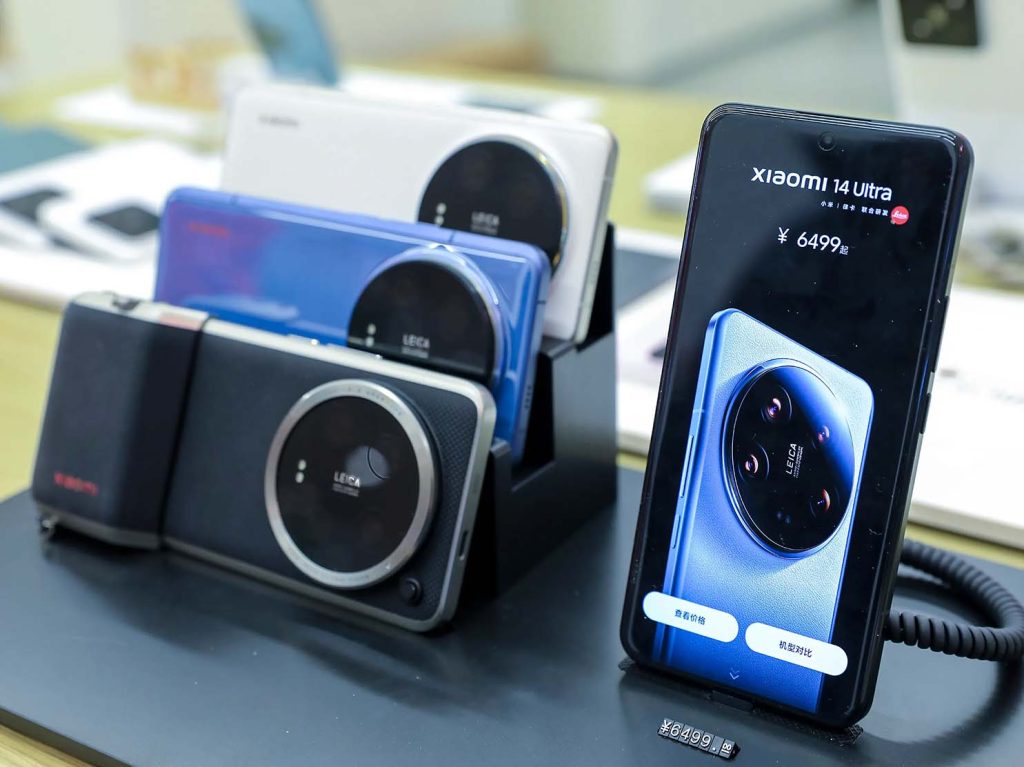
- Xiaomi 14 Ultra: 1-inch sensor
- Galaxy S25 Ultra: Custom ISOCELL HP7, 1/1.2″
3.2 Aperture (e.g., f/1.6, f/2.0)
- Definition: Determines how much light enters the lens.
- Tip: Smaller numbers = more light = better low-light performance and shallower depth of field.
3.3 Focal Length (Ultra-wide/Main/Telephoto)
- Measured in mm:
- 13mm (ultra-wide) → panoramic shots
- 23–26mm (main camera) → standard shots
- 70–200mm (telephoto) → zoom and portraits
- Trend: Periscope-style zoom lenses are now standard in 2025 flagships (e.g., Find X7 Ultra, Honor Magic6 Ultimate).
3.4 OIS/EIS Stabilization
- OIS (Optical Image Stabilization): Physical lens movement; essential for stable videos.
- EIS (Electronic Image Stabilization): Software-based; cheaper but less effective than OIS.
4. Audio Specs: More Than Just Loudness
Whether it’s for listening to music or watching movies, good audio tech makes all the difference.
4.1 Audio Codecs
- AAC: Apple’s go-to codec; good quality and low latency.
- aptX HD / aptX Adaptive: Qualcomm’s high-quality, low-latency solutions.
- LDAC: Sony’s premium codec, up to 990kbps. Ideal for Android hi-fi users.
- LC3: New with Bluetooth 5.3; balances audio quality and latency well.
4.2 Active Noise Cancellation (ANC)
- Definition: Uses microphones to detect ambient noise and emit canceling sound waves.
- 2025 Flagships:
- Sony WF-1000XM6: Multi-channel adaptive ANC
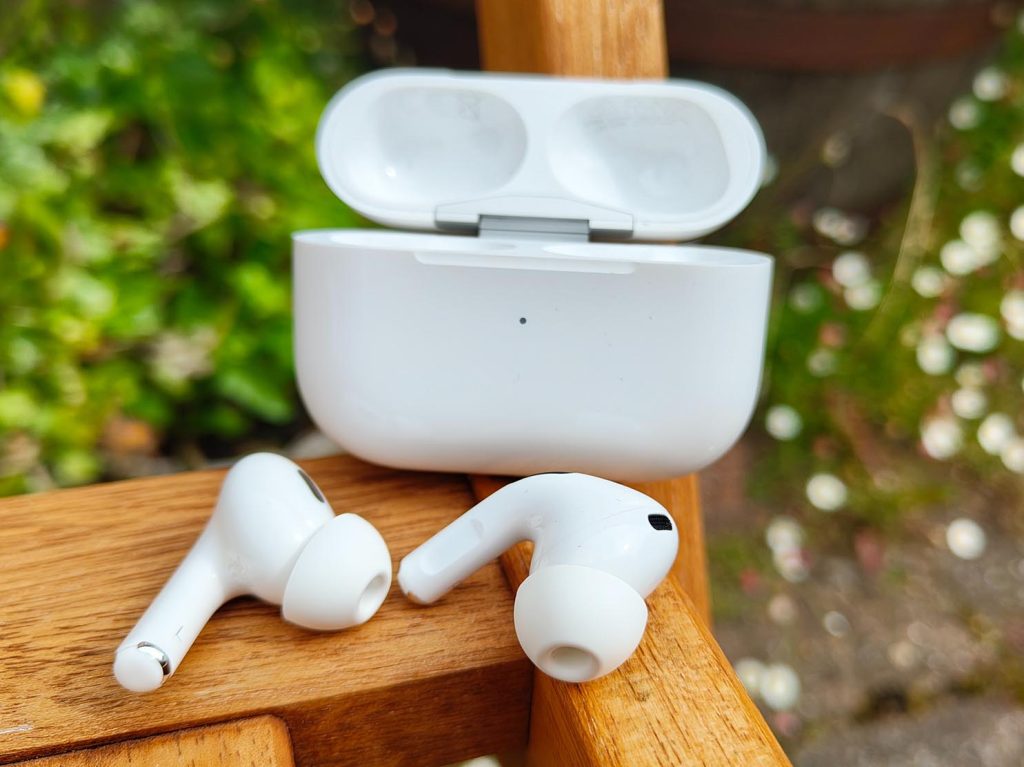
- Apple AirPods Pro 3: H3 chip with a wider soundstage
4.3 Driver Types
- Dynamic Drivers: Common, great bass.
- Balanced Armature: High resolution and clarity.
- Planar Magnetic: Top-tier sound, requires powerful output. Found in premium over-ear headphones.
5. Wireless & Port Specs: Small Details, Big Impact
5.1 Bluetooth Versions
- Bluetooth 5.3: Better stability, lower power, supports LC3.
- Tip: Newer isn’t always better for audio quality, but it’s better for battery and compatibility.
5.2 Wi-Fi Standards
- Wi-Fi 6 / Wi-Fi 6E / Wi-Fi 7:
- Wi-Fi 6 (802.11ax): Dominated 2023.
- Wi-Fi 7: Rapidly adopted in 2025 for ultra-low latency and high throughput.
5.3 Port Types
- USB-C: Becoming universal in 2025; supports charging, audio, video, and data.
- Thunderbolt 4 / USB4: Designed for high-speed tasks like external GPUs and 4K displays.
6. OS & Ecosystem: Where Experience Comes Together
Your operating system determines how smooth, flexible, and connected your experience is.
6.1 Mobile OS
- Android 14+: The go-to for customizability and app compatibility in 2025.
- HarmonyOS NEXT: China-developed OS with strong cross-device capabilities.
- iOS 18 / iPadOS 18: Seamless and smooth; best for Apple ecosystem users.
6.2 Smart TV OS
- Google TV: Richest in app variety.
- Tizen (Samsung), webOS (LG): Smooth UX with great integration.
- Chinese Platforms: Hisense VIDAA, Xiaomi PatchWall—focus on content aggregation.
7. Buying Tips: Know What Matters Most
In 2026 specs aren’t just for engineers—they’re your key to buying a device that fits your needs. Here are some final tips:
- Don’t get blinded by “flagship” labels—look at what the specs actually offer.
- Focus on user-impacting specs like brightness, refresh rate, and port compatibility; skip the theoretical fluff.
- Choose based on your primary use:
- Gaming: Prioritize refresh rate, SoC, latency
- Entertainment: Prioritize display quality, audio, system
- Travel: Look at weight, battery life, port compatibility
Understanding specs is the first step to smart tech shopping. You don’t need to be a tech expert, but if you can grasp 80% of the terms in a spec sheet, you’re already well on your way to making a smart, satisfying purchase.