At the beginning of October, I always notice a shift in the fashion atmosphere across the UK. As the weather gradually becomes cooler, people start refreshing their wardrobes, and vintage clothing, second-hand denim, and classic sportswear become popular choices among fashion enthusiasts. Rather than simply following the latest seasonal collections, I have become increasingly interested in the stories behind clothing and
how second-hand garments find their way back into the market. I have realised that even after a piece of clothing leaves its original owner’s wardrobe, it can still hold considerable value. This curiosity led me to discover Fleek. It introduced me to the idea that second-hand fashion is not just an alternative way to shop but also an industry with considerable potential for wholesale and resale businesses.
For independent clothing retailers, vintage shop owners, and online resellers in the UK, finding reliable suppliers, improving purchasing efficiency, and meeting different customer preferences are all important considerations. Fleek‘s platform model has helped me gain a deeper understanding of this growing industry.
Fleek: Connecting Global Suppliers with the Second-Hand Fashion Retail Market
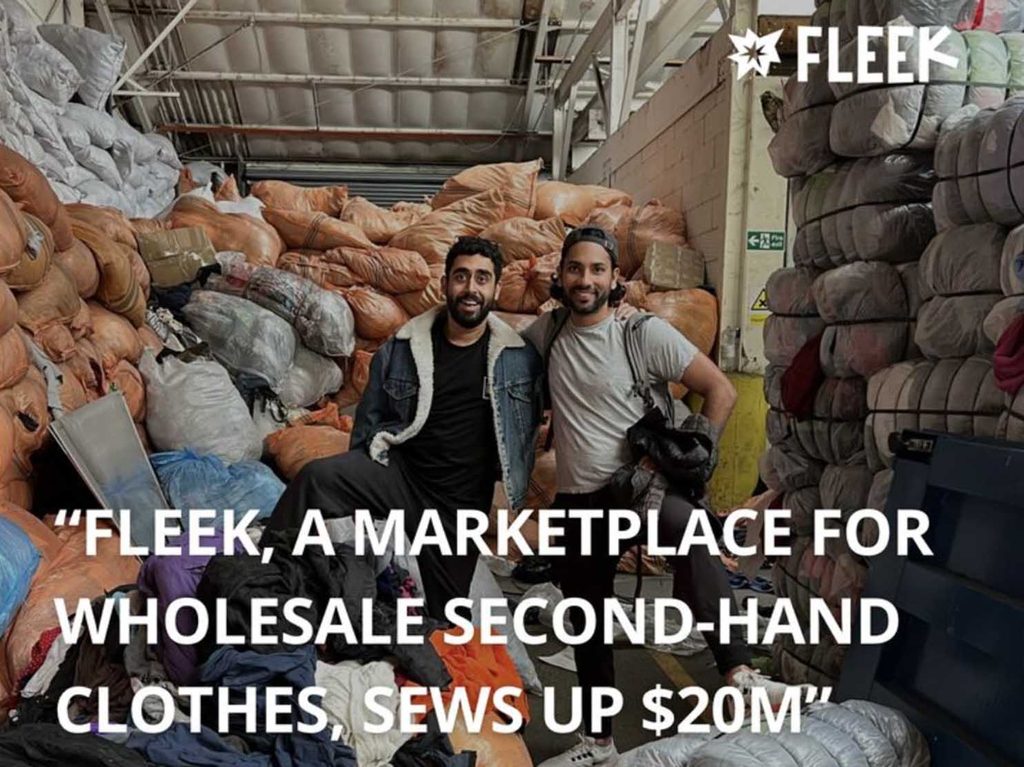
One of the features I find most interesting about Fleek is how it provides a platform connecting buyers with suppliers in the second-hand clothing wholesale market. Traditionally, sourcing second-hand clothing can require retailers to spend considerable time searching for suitable stock.
They may need to contact different wholesalers, compare product quality, and consider inventory management and shipping arrangements. Fleek brings second-hand clothing suppliers from different regions together on one platform, making it easier for retailers to discover and compare wholesale sourcing opportunities.
For vintage shop owners in the UK, this approach is particularly appealing because they can explore different types of stock according to their store’s identity rather than relying solely on the limited supply available locally. I believe Fleek‘s value goes beyond simply providing access to products. It helps buyers and sellers connect more efficiently, making second-hand clothing transactions more accessible and organised.
Recycling and Resale: Creating a Sustainable Business Model for Second-Hand Clothing
I have always appreciated the concept of circular fashion, and Fleek‘s involvement in second-hand clothing recycling and resale has helped me recognise its practical commercial potential. Second-hand clothing does not necessarily lose its value. Through collection, sorting, grading, and resale, many garments that are still suitable for wearing can re-enter the market.
For suppliers, this creates an opportunity to turn collected clothing into sellable inventory. For retailers, it provides access to different types of second-hand garments through wholesale purchasing, which they can then resell according to their own sales channels and target audiences.
I think this circulation model allows clothing resources to be used more effectively while creating new business opportunities within the second-hand fashion industry. By connecting buyers and suppliers, Fleek helps transform pre-owned clothing from unwanted items into products that can participate in a more structured commercial supply chain.
Bulk Purchasing: Helping Retailers Build More Flexible Inventory Systems
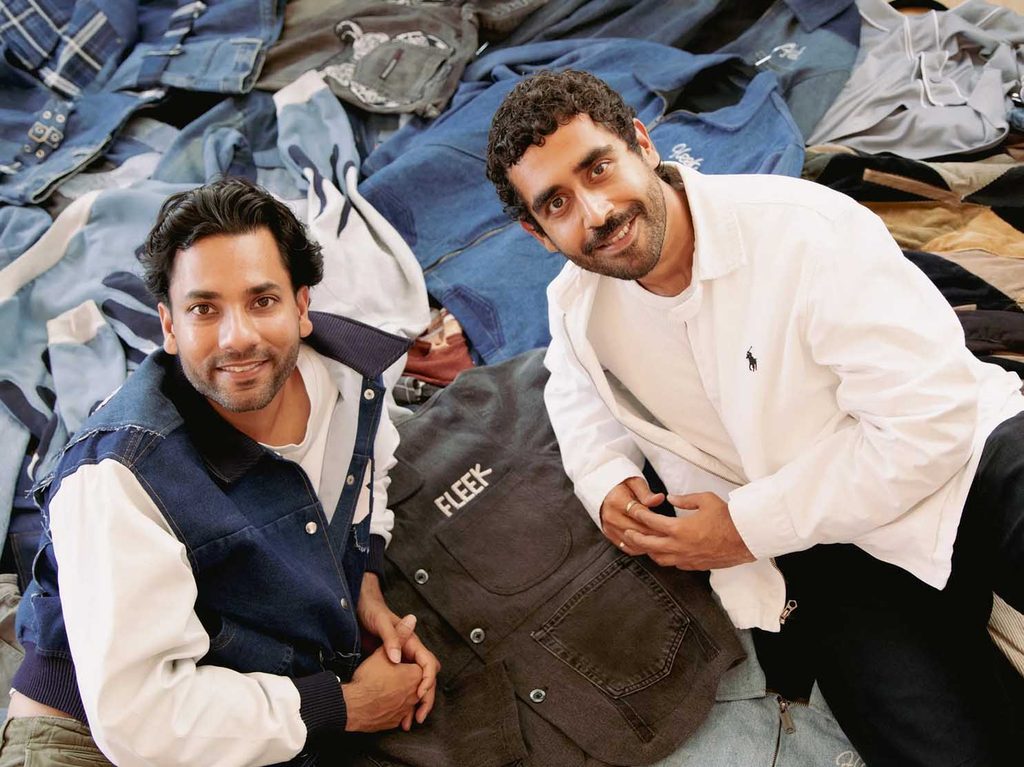
In my opinion, bulk purchasing is one of the most important aspects of Fleek‘s services. For UK vintage shop owners and sellers operating through platforms such as Depop and Vinted, maintaining a suitable and consistent supply of inventory is an essential part of running a business.
Purchasing individual items from different private sellers can take considerable time and may make it difficult to maintain a steady flow of new arrivals. Fleek provides wholesale sourcing opportunities, allowing buyers to explore different categories of second-hand clothing and plan their inventory through bulk purchasing. I think this approach is particularly useful for retailers who want to expand their product selection and improve their restocking efficiency.
Of course, different batches may vary in style, sizing, and condition. Therefore, I would always recommend carefully reviewing product descriptions, grading standards, minimum order requirements, and shipping costs before placing an order. Proper inventory planning can make a significant difference to the overall purchasing process.
Supplier Selection and Product Grading: Making Resale Sourcing Easier
I think one of the biggest differences between second-hand clothing wholesale and conventional clothing purchasing is the importance of product condition. Even garments belonging to the same category can vary considerably in terms of wear, damage, and overall preservation.
Without understanding these details beforehand, retailers may face additional sorting and preparation work after receiving their orders, which could also affect their ability to resell the products. Fleek provides buyers with useful reference information, including supplier profiles, product categories, relevant grading details, and reviews. I believe this is particularly valuable for people who are just starting their second-hand clothing businesses.
By comparing supplier information, product details, purchasing conditions, and previous customer feedback, buyers can make more informed sourcing decisions. For retailers looking to establish long-term businesses, building relationships with reliable suppliers can also help create a more consistent and dependable restocking system.
Opportunities in the UK Resale Market: Supporting Independent Sellers and Vintage Retailers
The UK has an active second-hand clothing and vintage fashion market. Alongside traditional vintage shops, online resale platforms have created additional opportunities for independent sellers. I think Fleek‘s wholesale model is well aligned with some of the needs of this market. Whether retailers operate physical stores or sell through platforms such as Depop and Vinted, they need to source suitable inventory based on their target customers’ preferences.
For example, some businesses may focus on classic vintage clothing, while others may want to expand their selection of sportswear, denim, or second-hand branded garments. By exploring different suppliers and wholesale stock through Fleek, retailers can adjust their purchasing strategies according to their business positioning instead of relying on a single source of inventory.
I also appreciate the flexibility this approach can offer smaller businesses, allowing them to gradually explore product combinations and resale strategies that suit their needs. However, I believe successful operations still require careful consideration of purchasing prices, product quality, logistics expenses, and market demand to manage costs and minimise business risks.
Discovering New Business Value Through Second-Hand Fashion Circulation
Exploring Fleek has given me a different perspective on the second-hand fashion industry. Previously, I was mainly interested in the appearance, design, and styling possibilities of vintage clothing. Now, I have started paying more attention to the processes behind it, including collection, sorting, wholesale distribution, and resale.
In my view, one of Fleek‘s greatest strengths is its ability to connect suppliers with retailers through a platform that makes wholesale transactions more accessible and gives independent businesses opportunities to discover a wider range of inventory.For me, second-hand fashion is about much more than finding affordable clothing. It is an industry that brings together resource circulation and commercial opportunities.
Fleek connects the idea of giving pre-owned clothing a second life with the practical needs of bulk purchasing, creating more possibilities for cooperation between suppliers and resellers. Looking ahead, I hope to see more businesses explore the second-hand fashion market through platforms like this, helping make better use of existing resources while supporting the continued development of vintage fashion and circular consumption.